Upcoming Event: Oden Institute & Dell Medical School
Physics-based Precision Medicine: Combining biophysics and AI/ML to predict inhibitor resistance, sensitivity, and over-activation
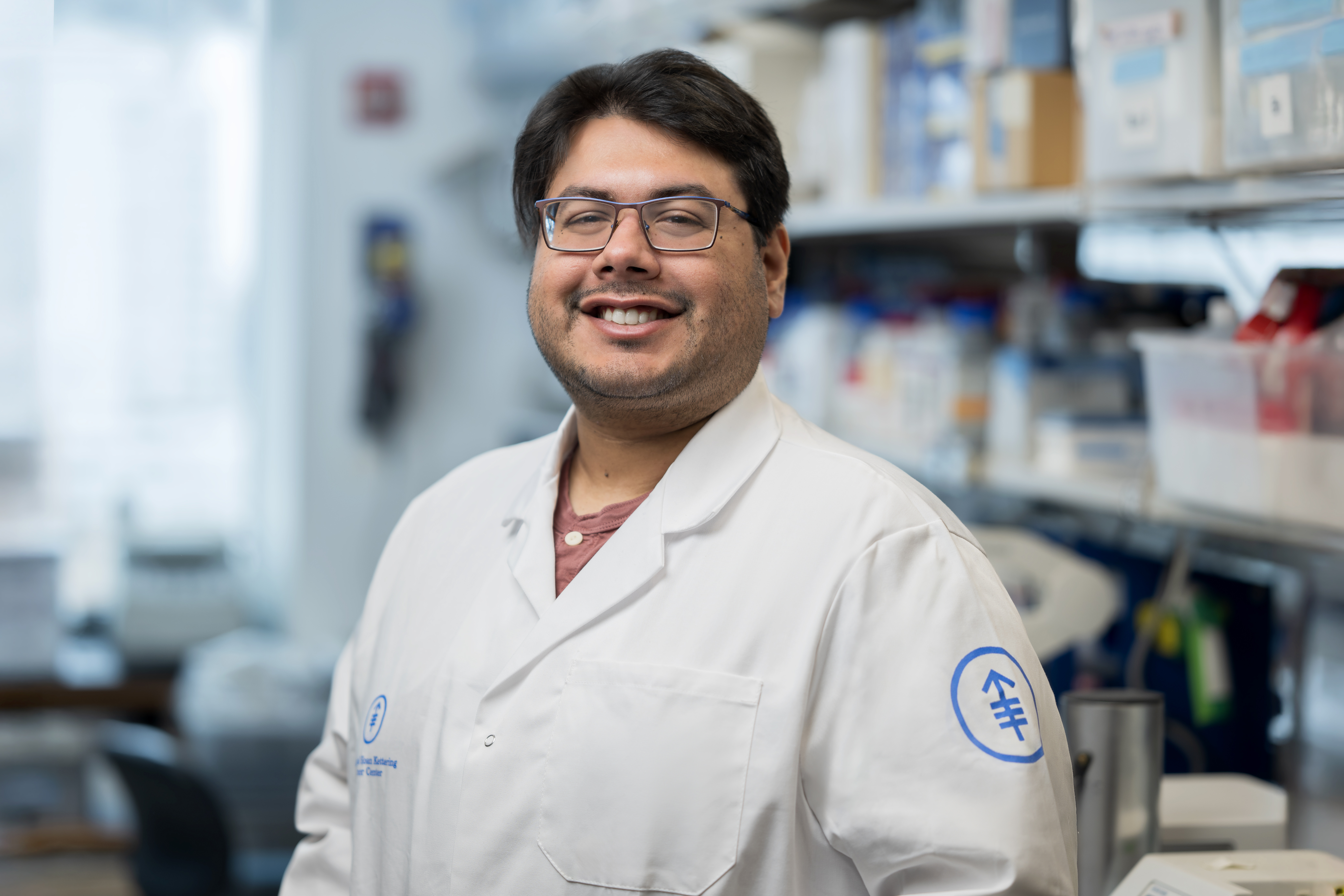
Sukrit Singh, Fellow, Memorial Sloan Kettering Cancer Center
3:30 – 5PM
Thursday Feb 19, 2026
Abstract
My work builds a mechanistically informed way to prospectively identify kinase mutations that alter drug resistance, selectivity, and sensitivity to then suggest alternative therapies. Kinases are often dysregulated in cancer and are targets of >100 FDA-approved inhibitors, yet tumors mutations often reduce inhibitor potency or increase kinase activity, reducing survival. Precision oncology approaches prove useful, but predicting which mutants undermine or respond to a given inhibitor remains difficult. AI/ML and physics promise to bridge this mechanistic prediction gap. Drawing upon clinical variant databases, I am building predictive models that distinguish mechanistic outcomes of clinical mutants. Here, I will present two stories: 1. Predicting inhibitor resistance occurring in clinical mutants of the leukemia target Menin [Nature, 2023], and 2. Combining experiments, physics, and AI/ML to prospectively predict clinical kinase variants that resist or are sensitized to to clinical therapeutics [J. Phys. Chem. B., 2025]. I use planetary-scale distributed computing via Folding@home and iterate with high-throughput biochemical assays. Ultimately, I hope to build quantitative, generalized framework that anticipates resistance before treatment, improves drug selectivity profiling, and identifies drug-sensitive variants to guide regimen design.
Biography
Sukrit Singh is a Damon Runyon Quantitative Biology Fellow at the Memorial Sloan Kettering Cancer Center. Originally hailing from India and Singapore, Sukrit completed his PhD with Greg Bowman in Computational and Molecular Biophysics at Washington University in St. Louis School of Medicine focusing on understanding and exploiting how distal regions in signaling proteins communicate with one another for allosteric drug discovery. At MSKCC, Sukrit combines computation and experiment to study how clinical mutations impact drug resistance, selectivity, and sensitivity. His work is funded by a National Cancer Institute K99/R00 Pathway to Independence Award. Alongside his research, Sukrit has been involved with the Folding@home consortium that runs computations using the donated computing power of citizen-scientists; through Folding@home, Sukrit has been a part of Reddit Interviews and talking about the internet as a tool for quantitative cancer research.
Event information
Thursday Feb 19, 2026